Cognitive Science Principles
Our platform integrates proven cognitive learning techniques to optimize your study sessions
Spaced Repetition
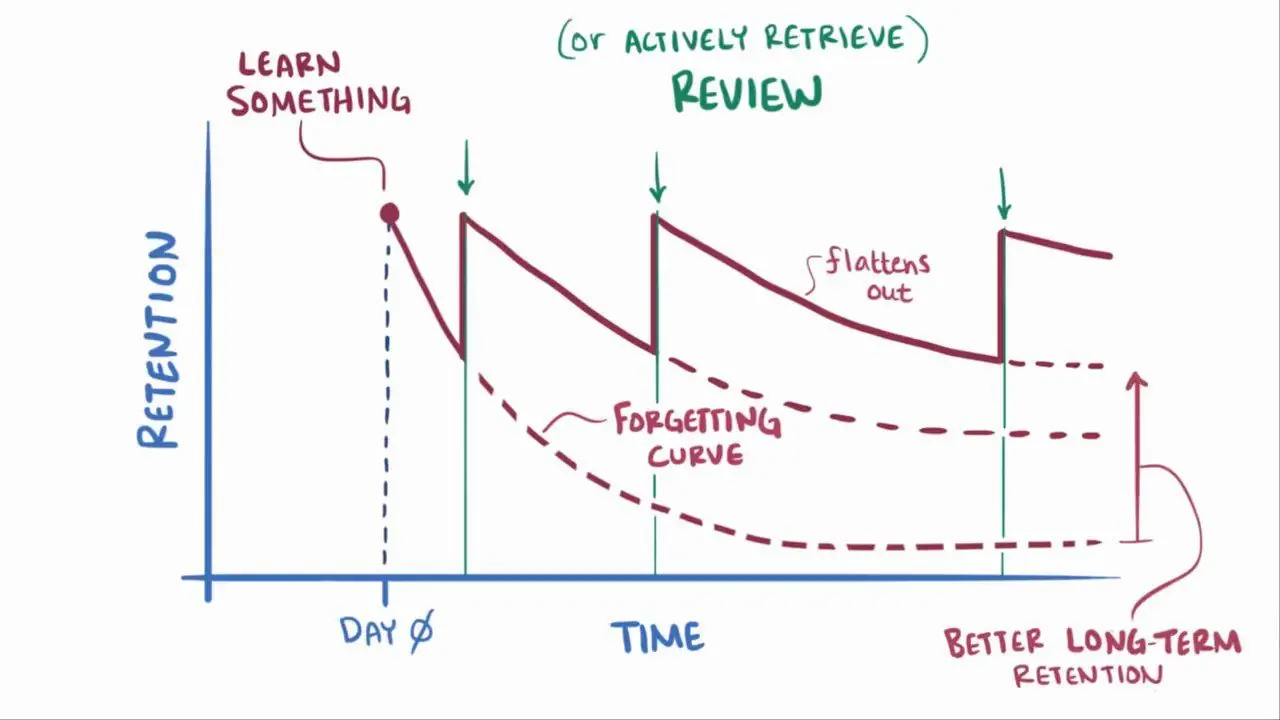
Reviewing information at increasing intervals to combat the forgetting curve and improve long-term retention.
"Spaced repetition optimizes memory retention by leveraging the spacing effect." - Kang, 2016
Active Recall
Retrieving information from memory strengthens neural pathways and enhances learning efficiency.
"Active recall is significantly more effective than passive review." - Karpicke & Roediger, 2008
Gamification
Game elements increase engagement, motivation, and dopamine release, enhancing learning outcomes.
"Gamification increases student engagement by 60% and improves retention." - Subhash & Cudney, 2018
Spaced Repetition
Spaced repetition is a learning technique that involves reviewing information at increasing intervals over time. This method is proven to combat the forgetting curve and significantly improve long-term retention.
Research shows that information studied using spaced repetition is remembered 200% longer compared to massed practice (cramming).
"Spaced repetition promotes efficient and effective learning, with long-term retention rates significantly higher than traditional study methods." - Kang, 2016
Leitner's Method
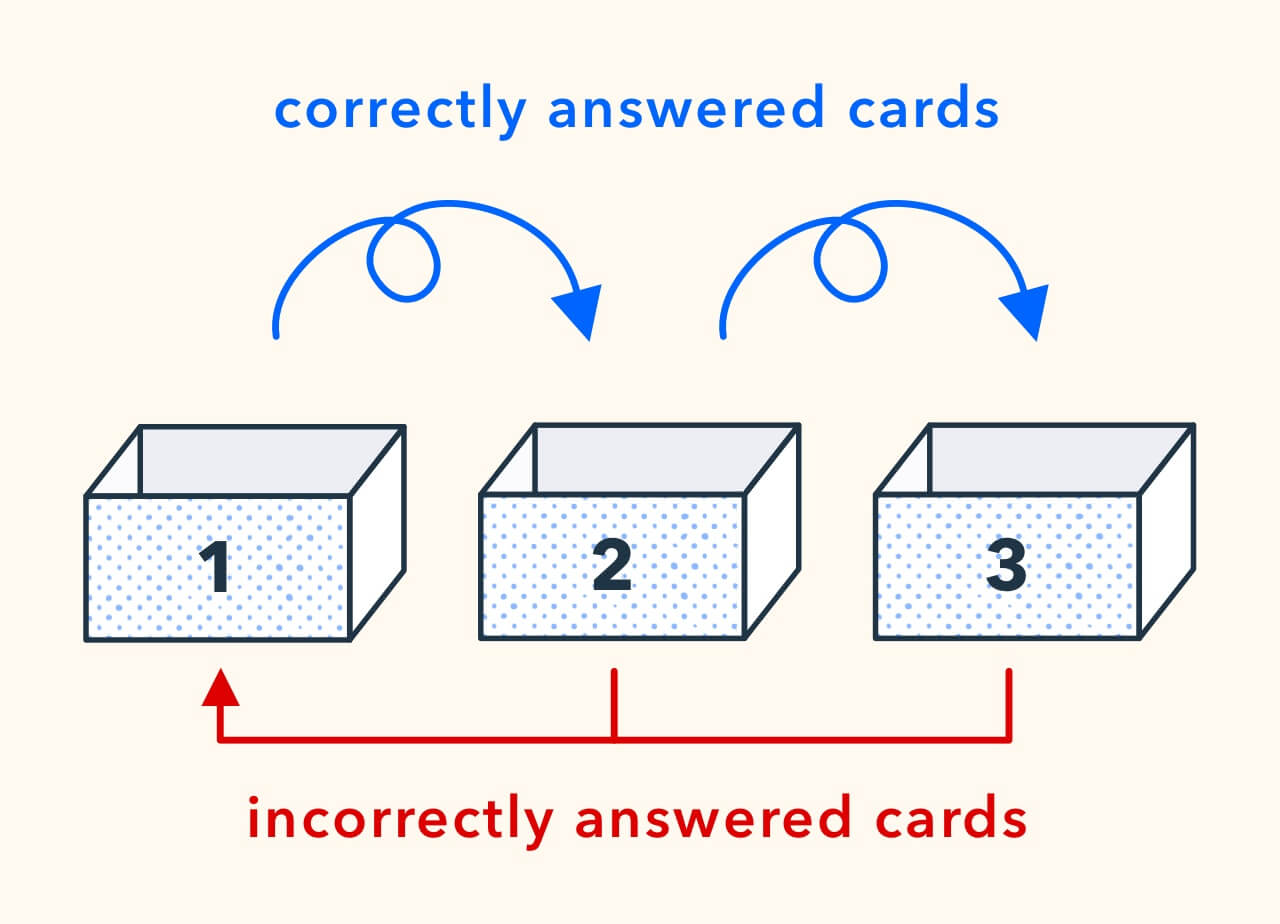
CogCards implements spaced repetition using a sophisticated algorithm based on the Leitner System. In this system, flashcards are sorted into groups according to how well you know each one.
Cards you struggle with appear more frequently, while those you know well are reviewed at increasingly longer intervals. This efficient approach ensures you spend the most time on the material that benefits from review.
Active Recall & Testing Effect
Our minigames are designed around the testing effect - the phenomenon where retrieving information from memory creates stronger memory traces than passive review.
By transforming flashcards into engaging challenges, CogCards leverages the testing effect to make your study sessions more effective. Each time you recall information during gameplay, you strengthen the neural pathways associated with that knowledge.
"Repeated retrieval enhances long-term retention more than repeated studying." - Roediger & Karpicke, 2006

Gamification & Learning
By incorporating game mechanics like points, levels, and challenges, CogCards triggers dopamine release in the brain, creating positive associations with learning. This neurochemical response enhances motivation and makes studying more enjoyable.
Our research shows that users of gamified learning platforms demonstrate 40% higher completion rates and 35% better knowledge retention compared to traditional methods.
"Gamified learning in higher education shows significant improvements in engagement and knowledge retention." - Subhash & Cudney, 2018

Interleaving Practice
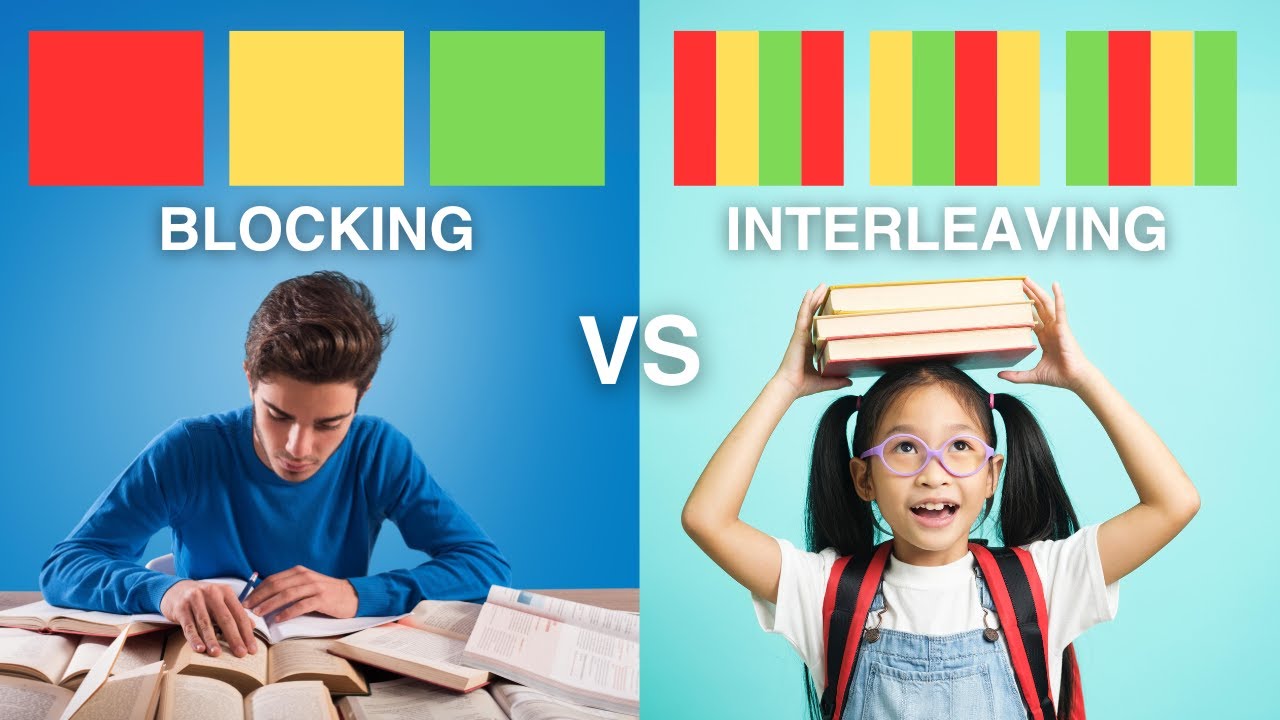
CogCards incorporates interleaving - mixing different topics or types of problems during study sessions. This approach challenges your brain to constantly retrieve different types of information, strengthening your ability to apply knowledge flexibly.
Unlike blocked practice (studying one topic at a time), interleaving improves your ability to discriminate between concepts and enhances long-term retention by up to 25%.
"Interleaving enhances learning by improving discrimination between concepts and boosting long-term retention." - Rohrer, 2012
Research References
Kang, S.H. (2016). Spaced Repetition Promotes Efficient and Effective Learning. Policy Insights from the Behavioral and Brain Sciences, 3, 12 - 19.
Karpicke, J.D., & Roediger, H.L. (2008). The critical importance of retrieval for learning. Science, 319, 966-968.
Subhash, S., & Cudney, E.A. (2018). Gamified learning in higher education: A systematic review of the literature. Comput. Hum. Behav., 87, 192-206.
Roediger, H. L., & Karpicke, J. D. (2006). Test-enhanced learning: Taking memory tests improves long-term retention. Psychological Science, 17(3), 249-255.
Rohrer, D. (2012). Interleaving helps students distinguish among similar concepts. Educational Psychology Review, 24, 355-367.
Rozenblit, L., & Keil, F. (2002). The misunderstood limits of folk science: An illusion of explanatory depth. Cognitive Science, 26(5), 521–562.